In everyday life, people constantly ask one simple question before making a decision: does it renteaza? The word “renteaza” is commonly understood as “is it worth it?” or “does it pay off?” It is a practical idea that can be applied to money, business, education, lifestyle choices, investments, and even personal habits. Whether someone is buying a product, starting a new project, renting instead of owning, or choosing a career path, the concept of renteaza helps them think more clearly before taking action.
At its core, renteaza is about value. It is not only about getting the cheapest option or making quick profit. It is about understanding whether the result is good enough compared to the time, energy, risk, and money involved. A decision may look attractive in the beginning, but if it creates stress, hidden costs, or poor long-term results, then it may not truly renteaza.
What Does Renteaza Mean?
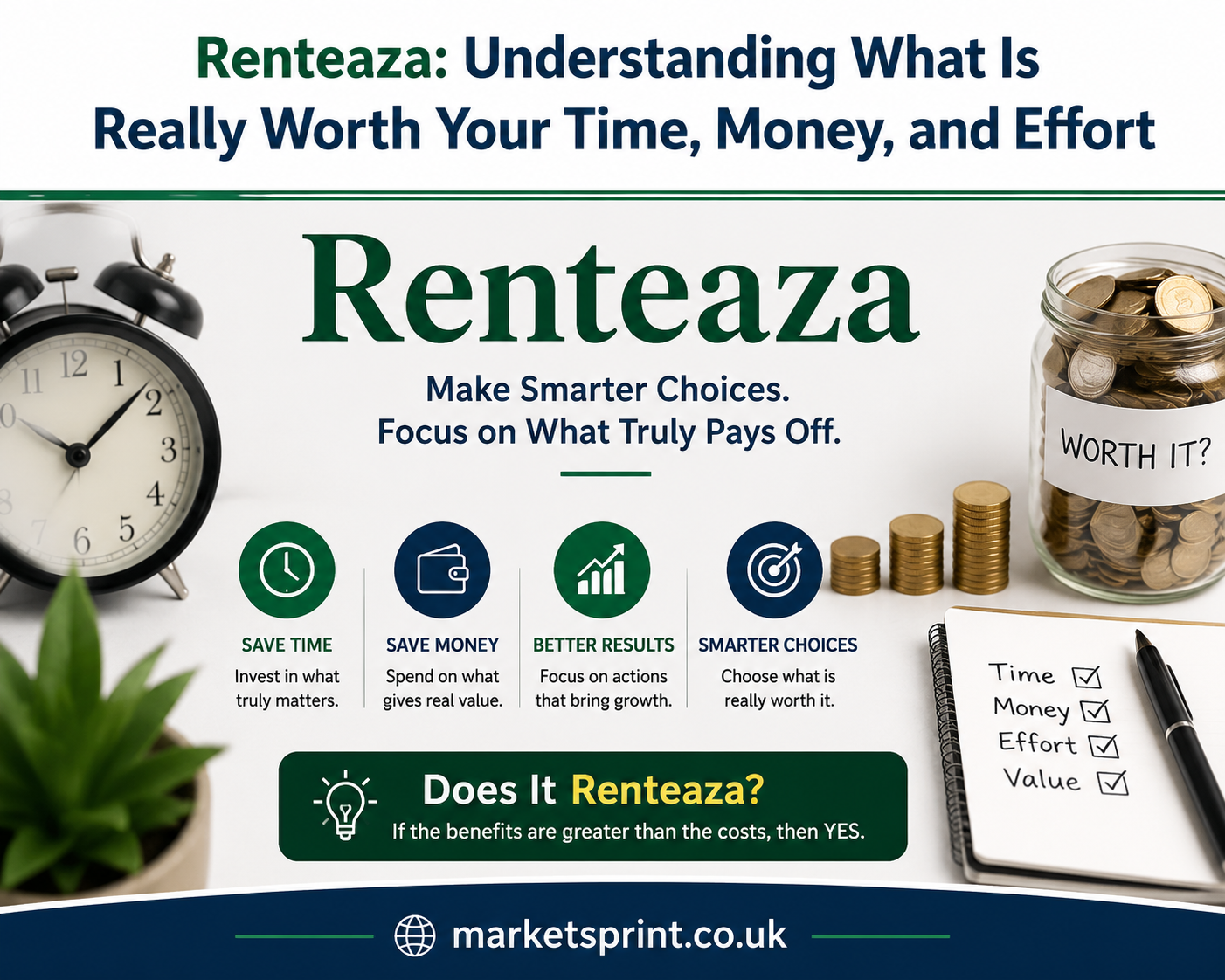
Renteaza means that something is worthwhile, profitable, useful, or beneficial. In simple English, when people say something “renteaza,” they mean that it makes sense because the benefits are greater than the costs. For example, a business owner may ask whether spending money on advertising renteaza. A student may ask whether an expensive course renteaza. A family may ask whether buying a second car renteaza or whether renting one occasionally is smarter.
This word is especially useful because it encourages practical thinking. Instead of making emotional decisions, people can compare the real value of different options. Renteaza is not limited to financial profit. Sometimes something pays off because it saves time, improves comfort, reduces stress, or creates better opportunities in the future.
Why Renteaza Matters in Daily Life
Modern life is full of choices. People are surrounded by products, services, subscriptions, investments, and business ideas. Without careful thinking, it is easy to spend money on things that look useful but do not bring real value. This is where the idea of renteaza becomes important.
Before making a decision, asking “does it renteaza?” can prevent waste. For example, buying a high-end gadget may feel exciting, but if it is rarely used, the purchase may not be worth it. On the other hand, paying for a tool that helps someone work faster every day may be a smart choice because it saves time and improves productivity.
Renteaza also helps people focus on long-term benefits. A decision may seem expensive at first, but it can still be worthwhile if it creates future value. Education, skill development, health, and business branding are good examples. They may require investment today, but they can produce strong results over time.
Renteaza in Business Decisions
In business, renteaza is a powerful way to judge whether an idea, strategy, or expense makes sense. Every business has limited resources, so owners must decide where to spend money and where to avoid unnecessary costs. A business decision renteaza when it increases profit, improves customer experience, saves time, or strengthens the company’s position.
For example, a small business may invest in a professional website. At first, the cost may feel high. However, if the website brings more customers, builds trust, and makes the brand look credible, then the investment renteaza. Similarly, digital marketing may be worthwhile if it reaches the right audience and produces real sales.
However, not every business expense pays off. A company may spend money on expensive office space, advanced software, or large advertising campaigns without proper planning. If these expenses do not generate meaningful results, they do not renteaza. This is why smart business owners track results, compare costs, and measure performance.
Renteaza and the Rental Economy
The concept of renteaza is closely connected with the modern rental and sharing economy. Many people now prefer renting certain items instead of buying them. This can include cars, tools, equipment, homes, fashion items, or digital services. Renting renteaza when ownership is too expensive, unnecessary, or inconvenient.
For example, buying professional equipment for one-time use may not be practical. Renting the same equipment for a short period can save money and storage space. The same idea applies to travel, real estate, office spaces, and even subscription-based software. People no longer need to own everything to enjoy access.
This shift shows how renteaza is changing consumer behavior. People are becoming more practical. They want flexibility, lower costs, and better use of resources. Instead of asking, “Can I buy this?” they ask, “Is buying this really worth it?” In many cases, renting, sharing, or subscribing can be the smarter answer.
How to Decide If Something Renteaza
To decide whether something renteaza, start by comparing the cost with the benefit. Cost does not only mean money. It also includes time, effort, maintenance, risk, and emotional pressure. A cheap option can become expensive if it wastes time or creates problems later.
Next, think about usage. If you will use something regularly, buying or investing in it may make sense. If you only need it occasionally, renting or choosing a simpler option may be better. Usage is one of the clearest ways to judge value.
Another important factor is long-term return. Some decisions do not show immediate results but still pay off later. Learning a skill, improving health, building a personal brand, or investing in quality tools can create lasting benefits. These choices often renteaza because they improve future opportunities.
Finally, consider risk. A decision with high reward but extreme risk may not be worth it for everyone. The right choice depends on your goals, budget, and situation.
Examples of Renteaza in Real Life
A gym membership renteaza if you use it consistently and improve your health. It does not renteaza if you pay every month but never go.
A business course renteaza if it teaches practical skills that help you earn more or work better. It does not renteaza if it only gives basic information you could learn for free.
A premium product renteaza if it lasts longer, performs better, and saves you from replacing it again and again. It does not renteaza if you are only paying extra for the brand name.
A rental service renteaza if it gives access to something useful without the burden of ownership. It does not renteaza if repeated rental costs become higher than buying.
These examples show that renteaza depends on context. The same decision may be smart for one person and wasteful for another.
The Smarter Way to Think About Value
Renteaza is not just a word; it is a mindset. It teaches people to think beyond appearance and focus on real value. In a world where marketing often pushes people to buy quickly, this mindset helps create better decisions.
The smartest choice is not always the cheapest. It is also not always the most expensive. The smartest choice is the one that gives the best balance between cost, benefit, quality, and long-term usefulness.
When people apply the idea of renteaza, they become more careful with money, more strategic in business, and more focused in life. They stop wasting resources on things that do not matter and start investing in things that truly improve their future.
Conclusion
Renteaza means asking whether something is truly worth it. It helps people make better choices in business, personal finance, education, rentals, and daily life. By comparing costs, benefits, usage, risk, and long-term value, anyone can decide whether a choice really pays off.
In the end, the question is not only “Can I afford it?” The better question is, “Does it renteaza?” When the answer is yes, the decision becomes clearer, smarter, and more valuable.